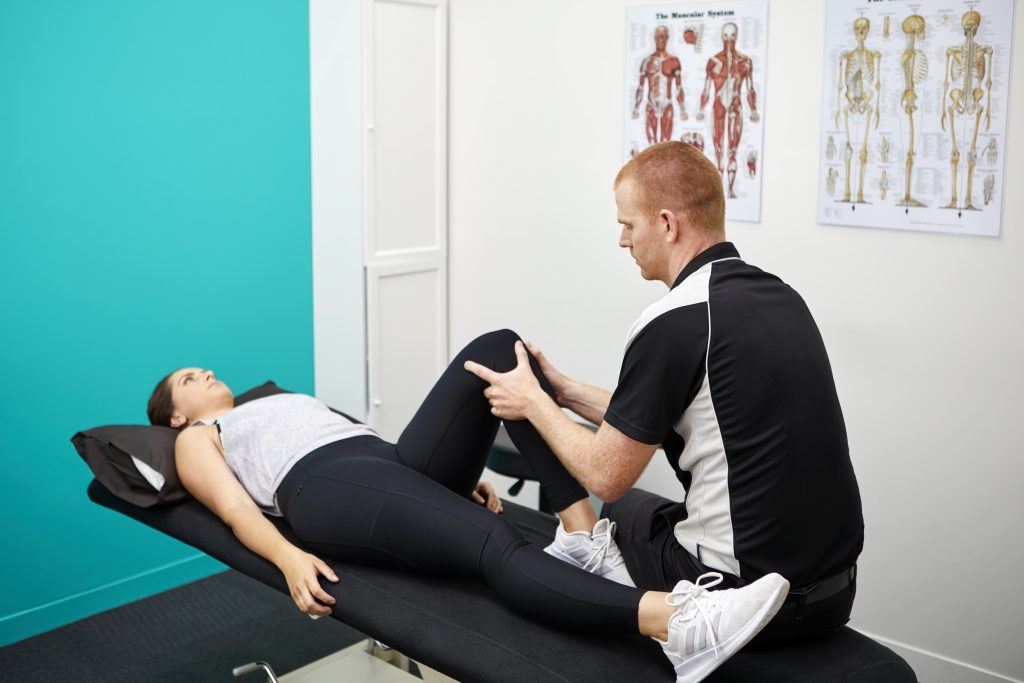
What is a Baker’s Cyst
A Baker’s cyst is a fluid‑filled swelling behind the knee that forms when the joint becomes irritated and produces excess synovial fluid. As a Physiotherapist, I see this often in people with knee arthritis, meniscus tears, or general joint inflammation, and it’s usually a sign that something inside the knee needs attention rather than a problem with the cyst itself.
What a Baker’s Cyst Actually Is
A Baker’s cyst, also called a popliteal cyst, is essentially a pocket of joint fluid that collects in the space behind the knee. When the knee becomes irritated, it produces extra synovial fluid. This fluid can move through a valve‑like opening into a small sac at the back of the knee, causing a noticeable bulge or tightness.
From a Physiotherapy perspective, the cyst is rarely the true problem. Instead, it reflects underlying issues such as:
- Knee osteoarthritis
- Meniscus tears
- General joint inflammation or irritation
- Post‑injury swelling
Common Symptoms I See in Clinic
People often come in worried about a lump behind their knee. Typical symptoms include:
- Tightness or pressure at the back of the knee
- Stiffness when bending or straightening
- Aching discomfort after walking or standing
- Reduced knee flexion, making squatting feel blocked
- Swelling that may extend into the calf if the cyst leaks fluid
Many cysts are painless, and it’s the underlying joint irritation that causes most of the discomfort.
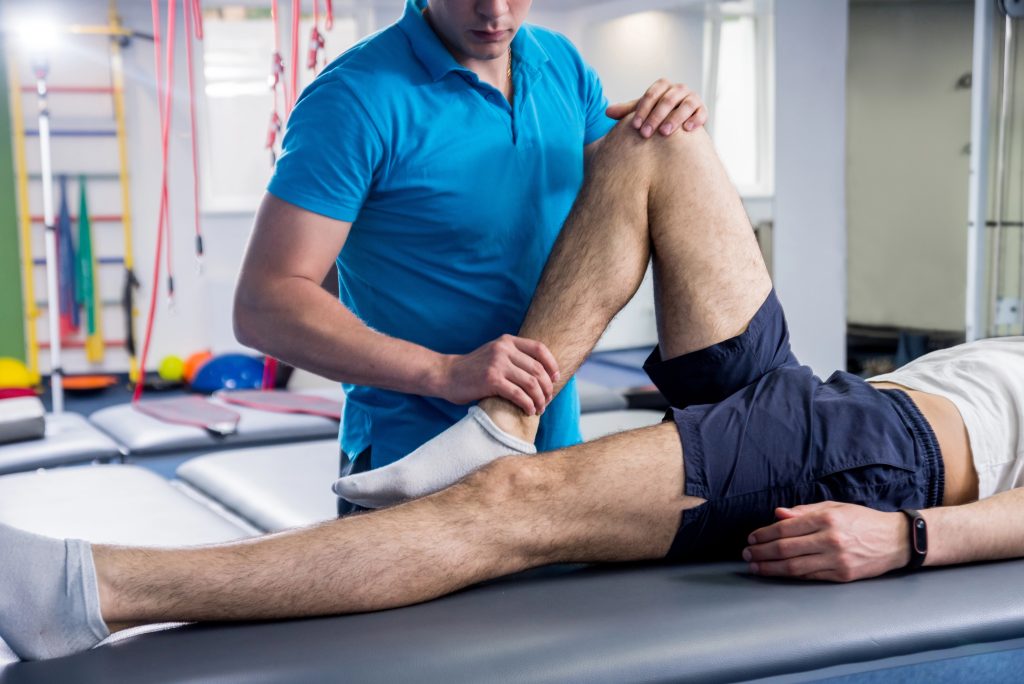
Why Physiotherapy Matters
Treating only the cyst, such as draining it, often leads to recurrence because the knee continues to produce excess fluid. The key is addressing the cause of the irritation. Physiotherapy is considered first line care because it:
- Reduces joint irritation through targeted strengthening
- Improves fluid movement via controlled exercise
- Restores confidence and mobility by improving movement patterns
- Addresses contributing factors like weakness, stiffness, or overload
A typical physio plan may include:
- Gentle range‑of‑motion exercises to reduce stiffness
- Strengthening of the quadriceps, hamstrings, calves, and glutes
- Movement retraining for walking, stairs, or sport
- Load management strategies to prevent flare‑ups
When to Seek Further Assessment
If you notice sudden calf swelling, heat, or sharp pain, it’s important to get checked promptly, as a ruptured cyst can mimic more serious conditions like a blood clot. Imaging such as ultrasound or MRI may be used to confirm the diagnosis and rule out other causes.
Final Thoughts
A Baker’s cyst is your knee’s way of signalling that something deeper is going on. With the right physiotherapy approach, focused on strength, mobility, and load management—most people experience significant improvement without needing invasive treatment. If you’re noticing persistent swelling or tightness behind your knee, a physiotherapist can help identify the cause and guide you back to comfortable movement.
By Gary Stevens
Senior Physiotherapist