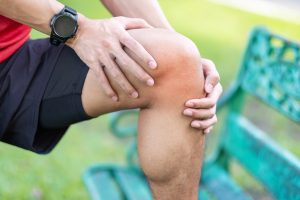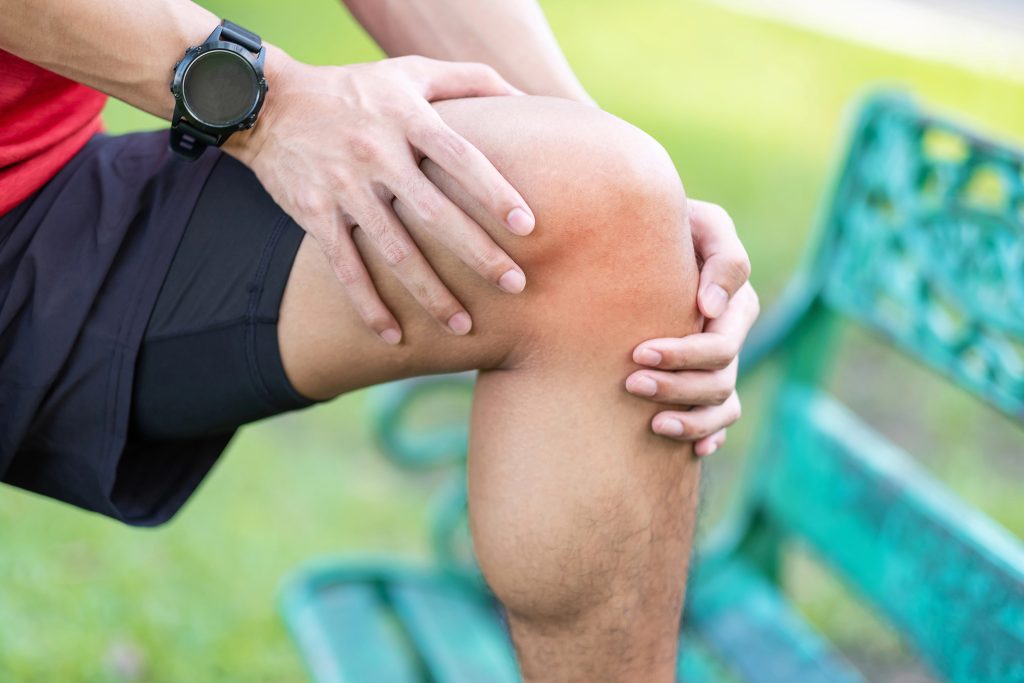
Patellofemoral pain syndrome (PFPS), sometimes called “runner’s knee,” is a common cause of knee discomfort. It typically presents as pain around or behind the kneecap (patella), especially during activities like running, squatting, climbing stairs, or sitting for long periods.
While the knee is the site of pain, the root cause often lies elsewhere, such as from the feet and lower limb biomechanics.
This is where podiatry plays a vital role.
Understanding Patellofemoral Pain
Patellofemoral pain occurs when the patella does not move smoothly within the femoral groove during knee motion. This can lead to irritation of surrounding structures and pain. Common contributing factors include muscle imbalances such as weak quadriceps or glutes, poor lower extremity alignment, Overuse or repetitive stress and abnormal foot mechanics (e.g., flat feet or overpronation).
Why See a Podiatrist?
A podiatrist specialises in the biomechanics of the lower limb. Since foot position directly influences how forces travel up the leg, correcting foot function can significantly reduce stress on the knee. This is especially the case for those with pronated or flat feet.
Podiatric Assessment
An evaluation for patellofemoral pain will usually include gait analysis, foot posture assessment to identify overpronation or supination, joint range of motion testing, muscle strength evaluation and footwear inspection. This comprehensive assessment helps identify biomechanical issues contributing to knee pain.
Podiatry Treatment Options
- Custom Foot Orthotics
Orthotics are specially designed shoe inserts that help correct abnormal foot mechanics. Orthotics improve lower limb alignment, reduce excessive pronation, decrease stress on the patellofemoral joint and enhance overall movement.
- Footwear Advice
Wearing the right shoes can make a significant difference.
A podiatrist may recommend supportive footwear with good arch support or activity-specific footwear, for example, running shoes tailored to gait.
- Exercise Prescription
Podiatrists often work alongside Physiotherapists to prescribe exercises that address underlying muscle imbalances. Common focus areas include strengthening the quadriceps, gluteal muscle activation, hip stability and calf flexibility.
- Taping Techniques
Knee or foot taping can provide short-term relief by improving patellar tracking and supporting arches which in-turn supports the knee.
- Activity Modification
Temporary changes to activity levels may be necessary. This may include reducing high-impact activities, a gradual return to sport or cross-training alternatives such as swimming or cycling.
- Long-Term Management
Patellofemoral pain is often a multifactorial condition, meaning a combined approach works best. Podiatry treatment focuses on addressing the causes that relate to the foot.
With proper care, most people experience reduced pain, improved function, better athletic performance and a lower risk of recurrence.
Final Thoughts
Although patellofemoral pain is felt in the knee, the feet often hold the key to recovery. By correcting biomechanical issues, podiatrists play a crucial role in both treating and preventing this condition.
Podiatrist