Falls are one of the leading causes of injury, hospitalisation, and loss of independence in older adults. While falls can happen to anyone, the risk increases with age due to changes in strength, balance, mobility, vision, and reaction time. The good news is that regular exercise is one of the most effective ways to reduce falls risk and improve confidence in everyday movement.
Many falls occur because of reduced muscle strength, poor balance, slower coordination, or difficulty reacting quickly to changes in the environment. Over time, inactivity can make these issues worse, increasing the likelihood of trips, slips, and instability during daily activities.
Exercise helps address many of the physical factors linked to falls. Strength training improves muscle function, particularly in the legs and core, which are essential for walking, climbing stairs, and maintaining stability. Balance exercises help improve coordination and body awareness, reducing the risk of losing balance during movement.
Regular physical activity is essential for healthy ageing and can significantly improve functional ability and independence in older adults. Exercise programs that combine strength, balance, flexibility, and mobility training are particularly effective for falls prevention.
Strength Training and Stability
Lower body strength plays a major role in reducing falls risk. Weakness in the hips, thighs, and ankles can make it harder to recover from a stumble or maintain stability on uneven surfaces. Exercises such as sit-to-stands, step-ups, calf raises, and resistance training can improve muscle strength and movement control.
Strength training also helps maintain bone density, reducing the risk of fractures if a fall does occur. This is especially important for older adults living with osteoporosis or reduced bone health.
Balance and Coordination Training
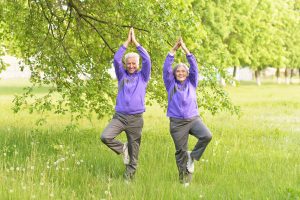
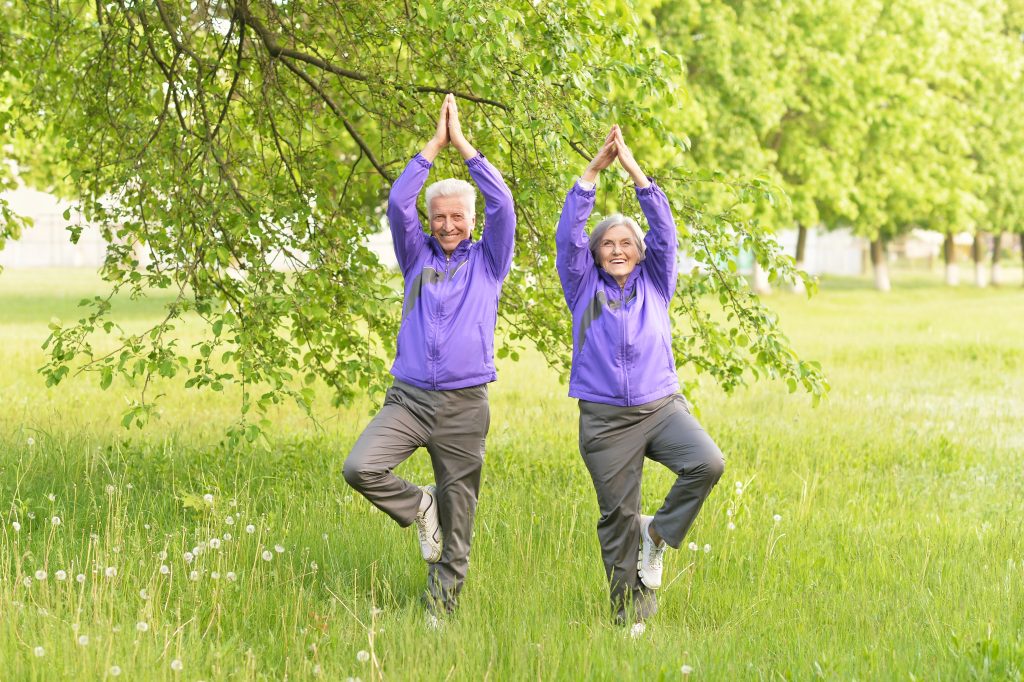
Balance naturally declines with age, but targeted exercises can improve stability and confidence. Activities such as single-leg standing, tandem walking, Tai Chi, and supervised balance exercises help train the body to respond more effectively to movement challenges.
Improving balance can also reduce the fear of falling, which itself can lead to reduced activity levels and further physical decline. Many people become less active after experiencing a fall or near-fall, creating a cycle of reduced strength and increased falls risk. Regular exercise helps break this cycle.
Exercise Improves Mobility and Confidence
Mobility and reaction time are important for safely navigating everyday environments. Exercise improves walking speed, joint mobility, flexibility, and overall physical function, making daily activities easier and safer.
Group exercise programs and supervised exercise sessions may provide additional benefits by improving motivation, social connection, and confidence. Research has shown that structured exercise programs can significantly reduce both the number of falls and the risk of fall-related injuries in older adults.
Individualised Exercise Matters
Falls prevention exercise should be tailored to the individual. Factors such as previous falls, medical conditions, medications, vision changes, arthritis, neurological conditions, and overall fitness levels all influence exercise needs.
Accredited Exercise Physiologists and allied health professionals can assess falls risk and design personalised exercise programs focused on improving balance, strength, and mobility safely. Programs may also include strategies to improve functional movements used in daily life.
Staying Active for Long-Term Health
Preventing falls is not only about avoiding injury — it is about maintaining independence, confidence, and quality of life. Even small increases in physical activity can provide meaningful benefits over time.
By staying active and incorporating regular strength and balance exercises into weekly routines, older adults can improve physical function, move with greater confidence, and reduce their risk of falls.
References
- https://www.who.int/news-room/fact-sheets/detail/falls
https://www.betterhealth.vic.gov.au/health/healthyliving/falls-prevention-at-home
https://www.betterhealth.vic.gov.au/health/servicesandsupport/falls-services-for-older-people
https://www.aihw.gov.au/reports/injury/falls
https://www.safetyandquality.gov.au/clinical-topics/falls
Exercise Physiologist