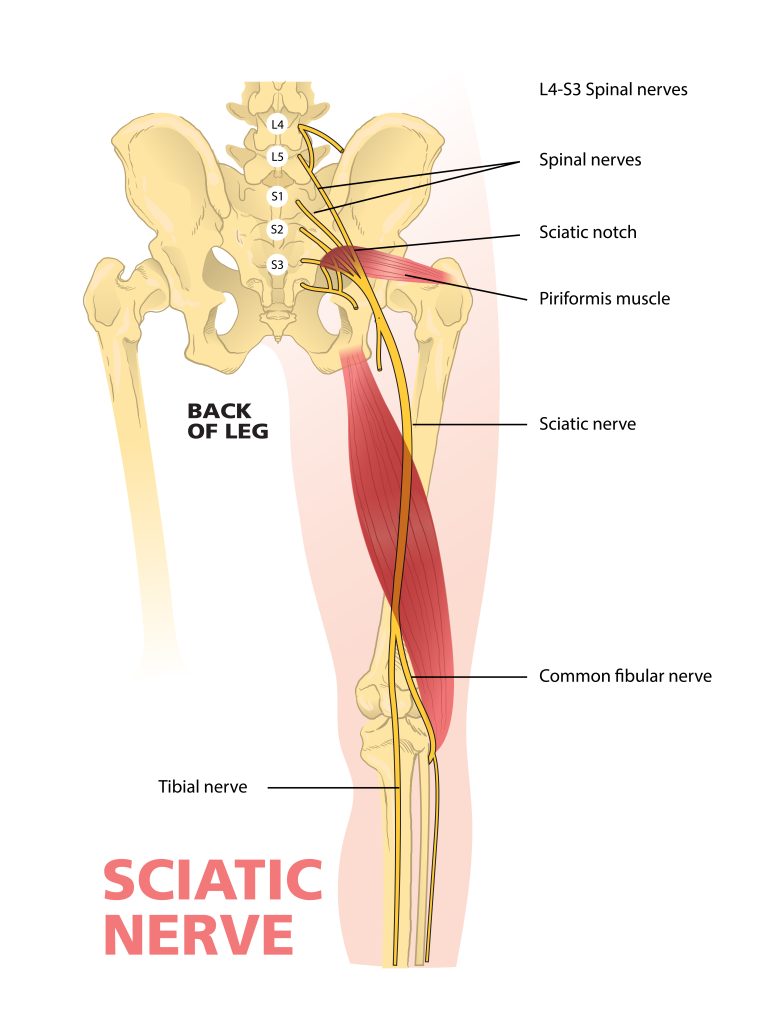
The powerful sciatic nerve is an extension of the spinal cord. It is the longest and thickest nerve in the human body – up to 2 cm wide (close to the width of your little finger) and runs all the way from your lower spine through your buttocks and down to your toes. It’s actually a bundle of nerves, so what we call the “sciatic nerve” is formed from five spinal nerve roots (L4-S3) that merge in the lower back, then branch out again down the leg. Consequently, it’s more like a nerve super-highway than a single wire!
This powerful nerve controls both movement and sensation, making it a mixed nerve, which mean it carries signals to your muscles, and from your skin. Irritation of this nerve can thus cause both pain or numbness, and weakness or loss of movement in the leg.
What Causes Sciatica?
Sciatica is pain radiating along the path of the sciatic nerve, from your lower back or lumbar spine, down through your hip, buttock, and leg. It is often caused by compression or irritation from a herniated or bulging disc, causing pressure on the nerve root. Spinal stenosis (narrowing of the spinal canal), degeneration of an intervertebral disc, spondylolisthesis (shifted vertebra), piriformis syndrome (muscle spasm in the buttock compressing the nerve), as well as trauma, tumors or pregnancy may all result in sciatica.
Recognising the Symptoms
- Pain may vary from a mild ache to sharp, burning, or electric shock-like pain in the lower back, buttock, or leg.
- Pain often increases or worsens with coughing, sneezing, sitting, or bending.
- Sensory impairment or disturbance, such as hot and cold or tingling or burning sensations in the legs or numbness.
- Muscle weakness in the affected leg or foot.
- Reflex impairment.
- Gait dysfunction.
- Usually affects only one side of the body.
How Physiotherapy Helps
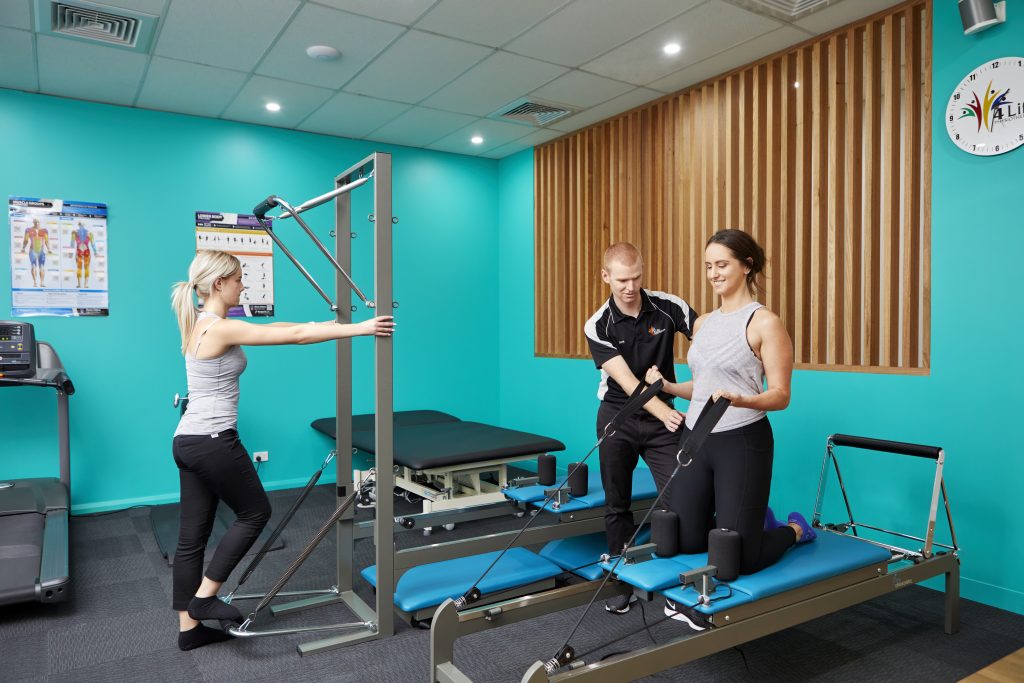
This is where we come in. Physiotherapy focuses on pain relief and long-term prevention through specific exercises, which includes nerve gliding and core strengthening exercises. Treatment also encompasses manual therapy and education.
Specific prescribed exercise focuses on increasing core strength and mobility, gentle stretching of the lumbar spine and hamstrings, and mobilising the neural tissue. Regular light exercise such as walking, swimming, or hydrotherapy plays an important role in treatment and management.
Education includes information on the nature of low back pain, advice on self-management strategies and encouragement to continue normal activities.
Self-Management Tips
- Heat or heat packs help to manage pain and reduce muscle tension
- Cold packs decrease inflammation
- Avoid activities that aggravate symptoms, such as prolonged sitting or standing
- Change position regularly i.e. from sitting to standing
- Motion is lotion! Move as much as the body tolerates. Take regular short, easy walks without flaring up symptoms
- Practice good posture
- Use proper lifting techniques
- Commit to your exercise program!
X THE MYTHS X
✓ THE FACTS ✓
- X Bed rest is the best treatment
- X Surgery is always required
- X Sciatica only affects the back
- ✓ Staying active usually helps you recover faster.
- ✓ Most people recover with conservative care.
- ✓ The pain usually travels down the leg, sometimes to the foot.
Physiotherapist